
BUILDING A WORLD WHERE PEOPLE, AGRICULTURE, AND WILDLIFE THRIVE
Support our work
Supporting the Willamette Vole Management group
-
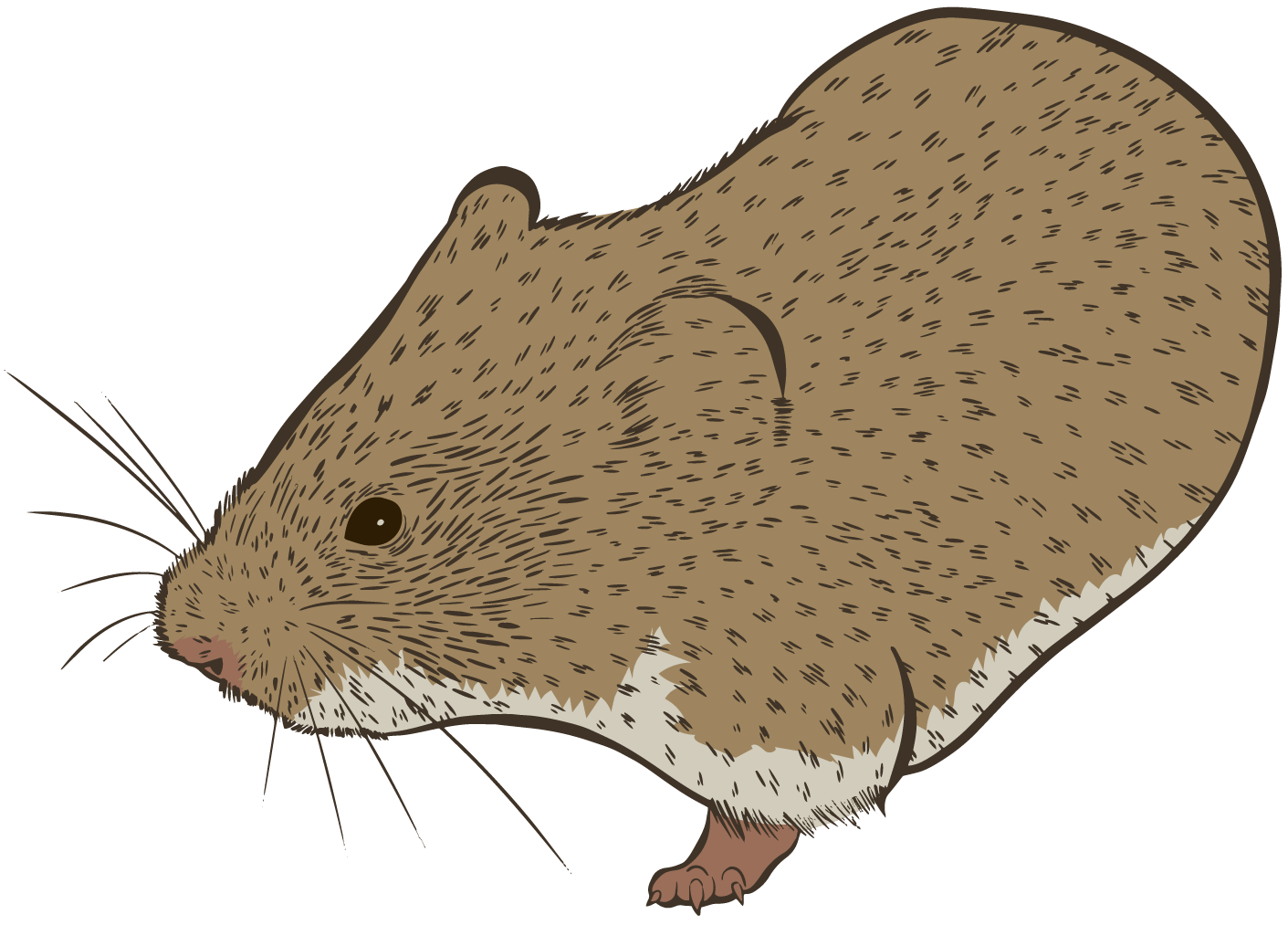
Donations support grower-led management and research. All funds go towards vole related research and monitoring in the Willamette Valley. This includes costs associated with long-term monitoring, experimental research, and facilitating multi-stakeholder meetings.
-
We monitor multiple long-term sites in the Willamette Valley year round. Accurately monitoring populations to understand what underpins cyclical dynamics and population outbreaks requires monitoring populations over long periods of time! This work is only possible thanks to support from kind donations and support.
-
We conduct experimental research in large (0.5 ha) vole enclosures. This facilitates robust designs enabling us to develop an understanding of the biology of these little critters, the diseases that cycle in their populations, and test a suite of potential control methods.
-
Its critical to our mission that our research efforts are stakeholder developed and guided, and that our solutions meet the needs of the people on the ground. To achieve this ambition we host bi-annual meetings with the working group to share updates, recieve feedback, and together plan for the future!
Why This Work Matters
Vole outbreaks can have massive impacts on economies, communities, and ecosystems.
Together, we can understand the cycles of gray-tailed vole populations in the Willamette Valley and develop science-driven, grower-led strategies for management. Our goal is unite producers, researchers, agencies, and organizations to expand the toolkit of vole control methods.
