

The Impact of Voles in the Valley
At population peaks, crop losses in the Willamette Valley have been reported as high as 90%.
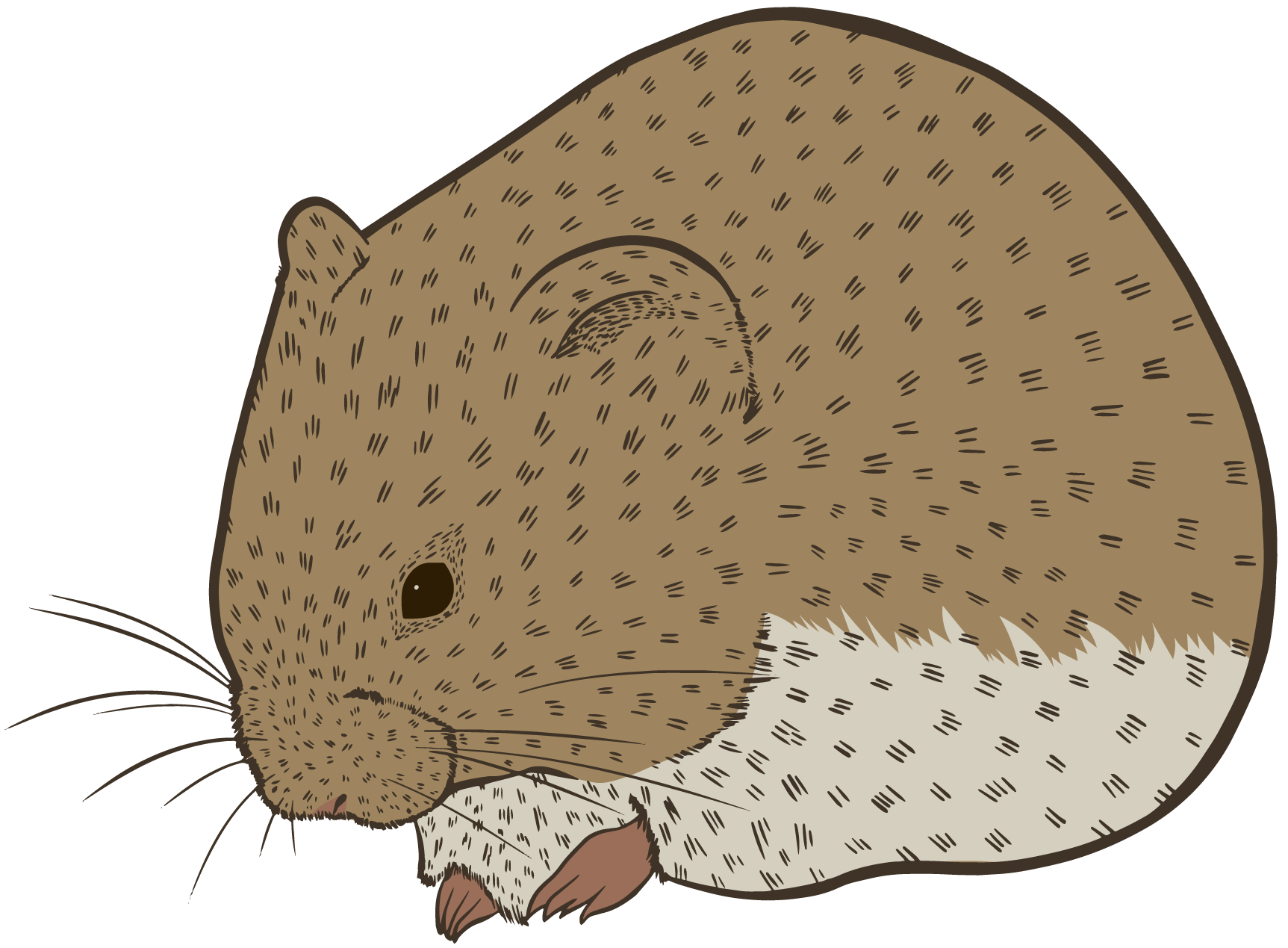
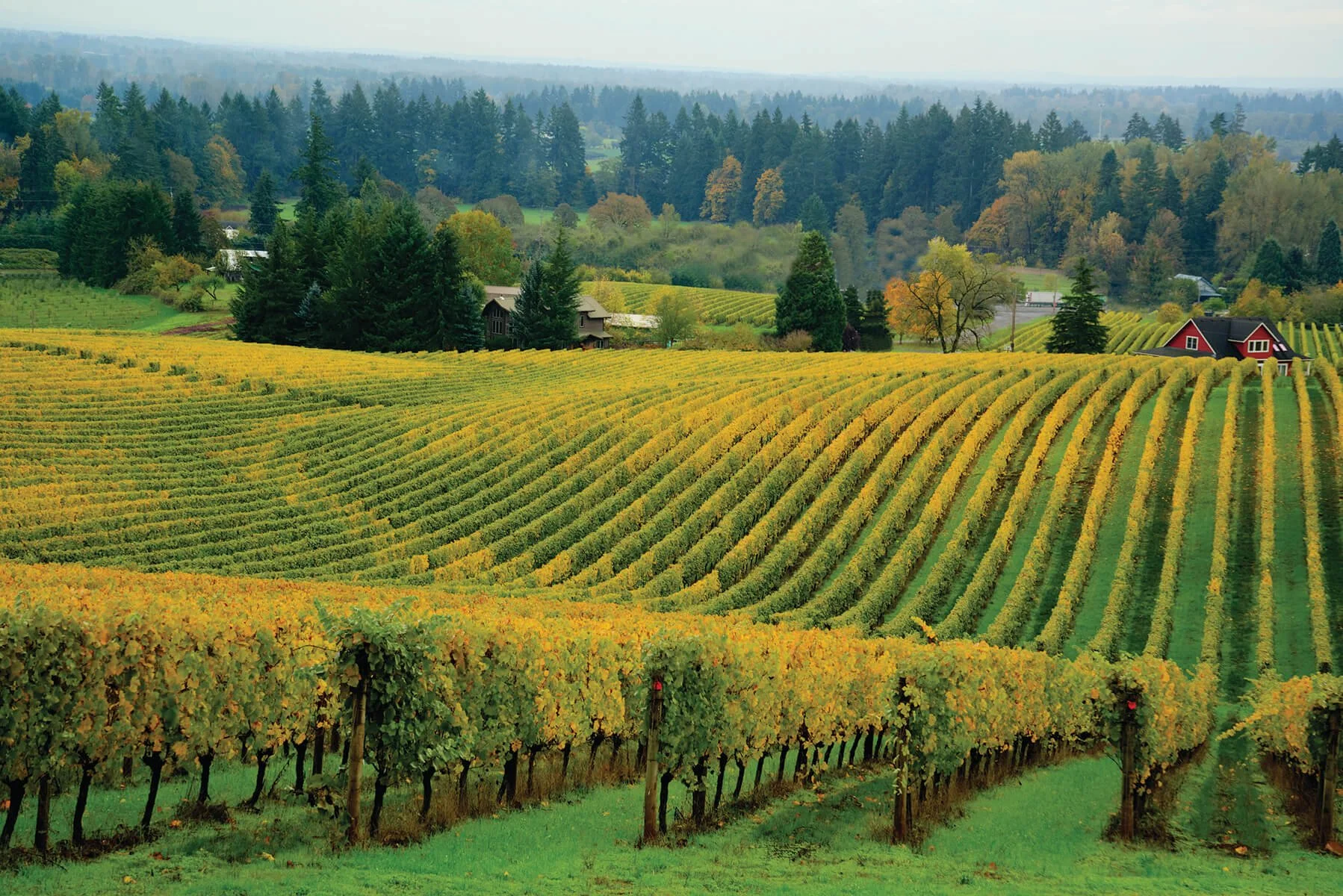
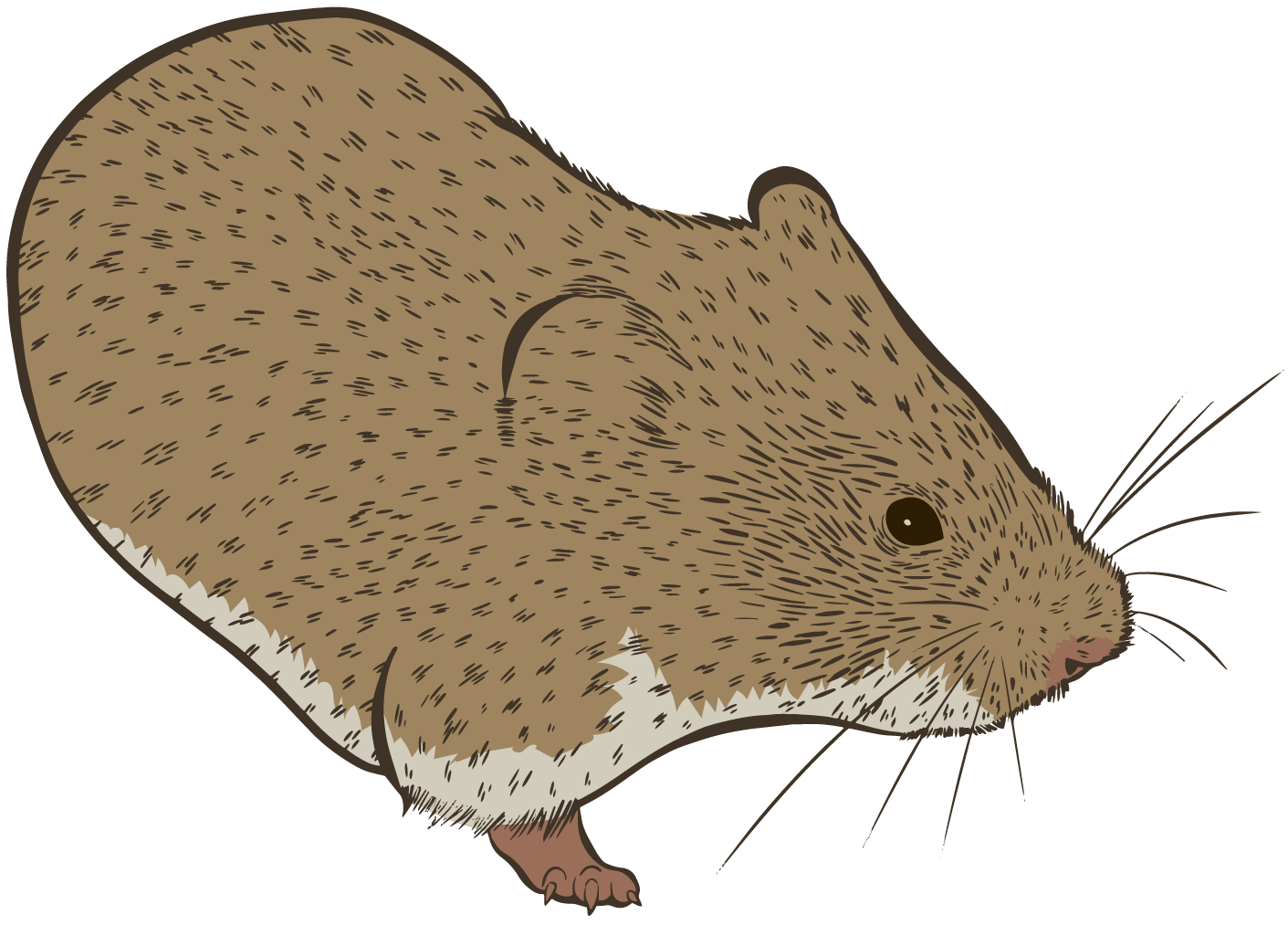
The Willamette Valley in the Pacific Northwest is a global producer of grass seed, grapes, blueberries, and hazelnuts. Over 80% of the grass seed grown in the United States and 99% of hazelnut production in the U.S. occurs in the Willamette Valley. The region is also home to the endemic gray-tailed vole, Microtus canicaudus, a burrowing rodent that thrives in Oregons grasslands and agricultural systems. Gray-tailed voles exhibit extreme population fluctuations, with unpredictable booms that can be devastating to local farms.
The Willamette Vole Management Group unites growers, agencies, organizations, and scientists to co-create research priorities, co-design field trials, and co-develop lasting solutions for managing gray-tailed vole populations.
At our heart we are partnership between representatives from over 10 agricultural commissions, state and federal agencies, and interested academics and extension workers.
Our goal is to develop a toolbox of effective management methods, ranging from accurate forecasting tools, crop selection, predator promotion, and human-based control efforts.
Only by working together can we provide meaningful solutions that work for both wildlife and humans in the Willamette Valley and ensure the success and sustainability of our food and resource production systems.
Behind the Willamette Vole Management working group
-
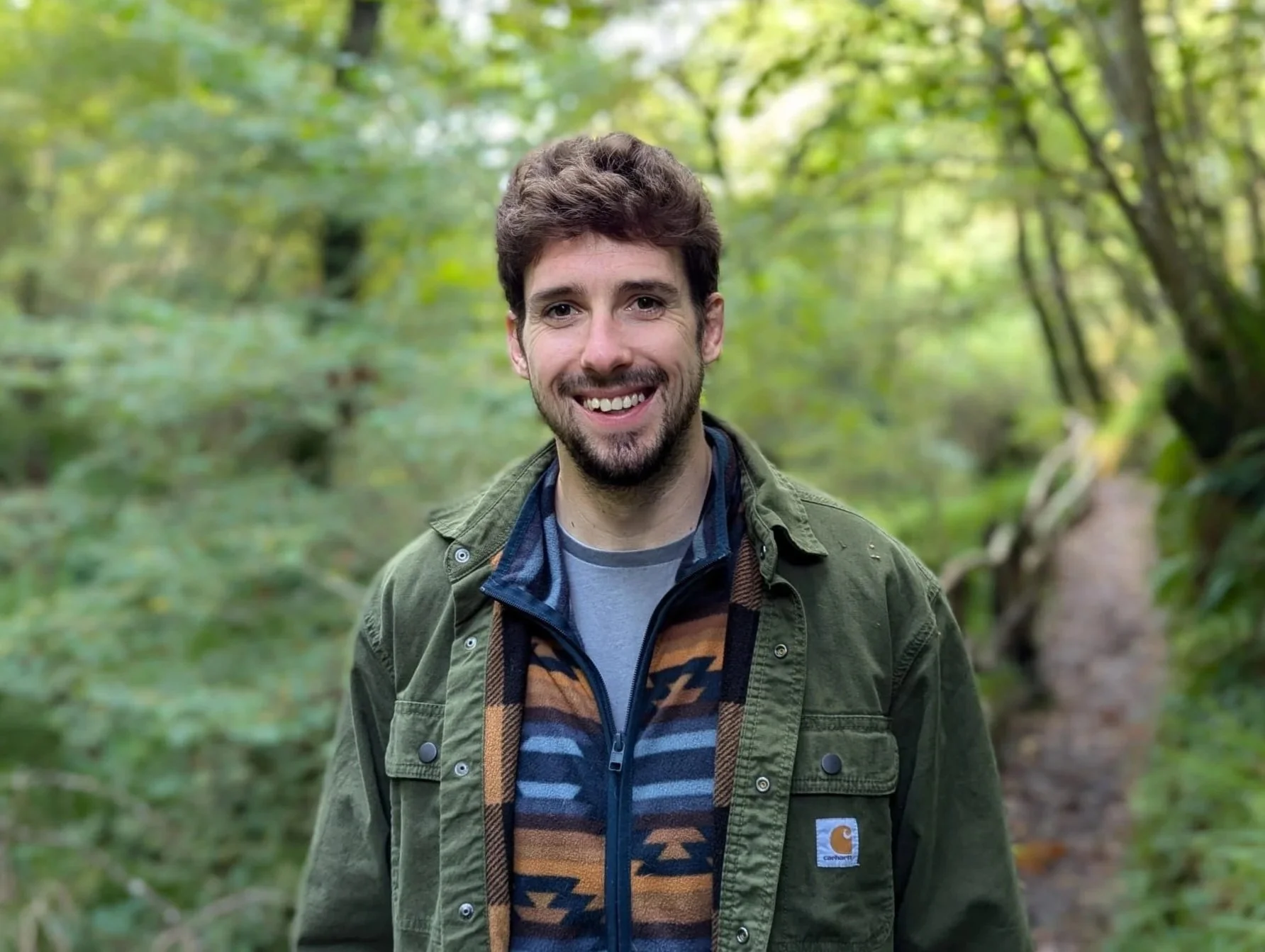
Dr. Joshua Twining
Assistant Professor in the Department of Fisheries, Wildlife, and Conservation Sciences, Oregon State University.
I am a population ecologist which means I spend alot of my time counting animals, which is often far more challenging then it sounds! The research conducted by my lab combines theoretical and empirical methods, and uses the hand in hand pairing of observational and experimental work to address emerging wildlife management challenges. We work closely with stakeholders (state and federal agencies, as well as agricultural industries, communities, and individuals) across scales and systems to advance our understanding of wildlife population dynamics to inform applied management with outcomes that work for people and wildlife. I also teach undergraduate courses on mammalogy and wildlife in agricultural ecosystems, as well as a graduate course on applied statistical modelling in ecology.
-
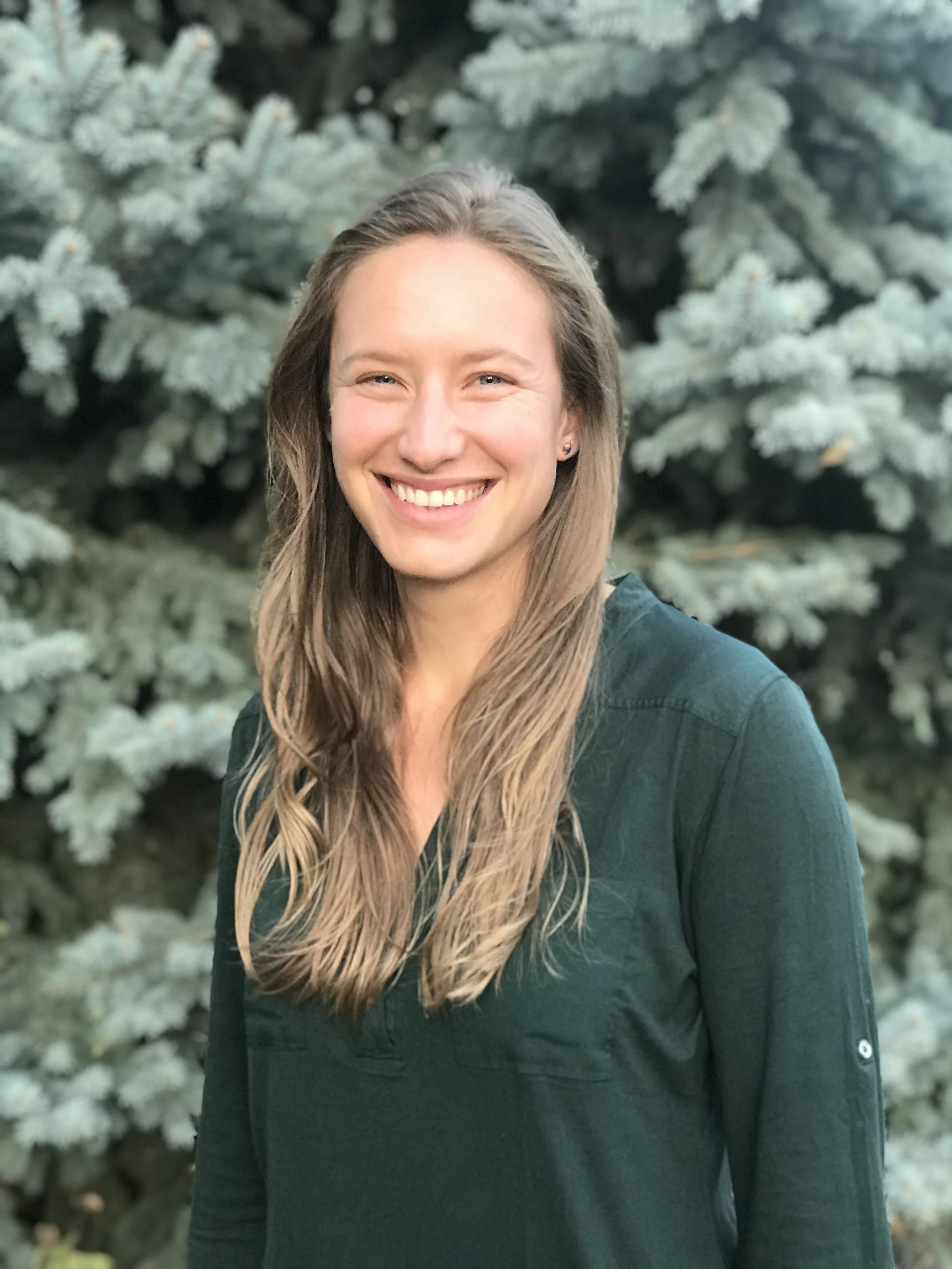
Dr. Megan Jones
Assistant Professor in the Department of Fisheries, Wildlife, and Conservation Sciences, Oregon State University, and Assistant Unit Leader in the Oregon Cooperative Fish and Wildlife Research Unit, U.S. Geological Survey.
I am a conservation social scientist, I study how people and organizations communicate about fish and wildlife issues. I use theories and methods from behavioral science, especially psychology and communication science, to understand why people do (or don’t) take conservation action, and how interventions can empower them to pursue win-wins for people and wildlife. Some of my ongoing and recent projects have looked at human-beaver conflict and coexistence and public perceptions of salmon and steelhead hatcheries in Oregon. I also work as a facilitator and teach a graduate course on facilitation for team science and natural resource management.
-
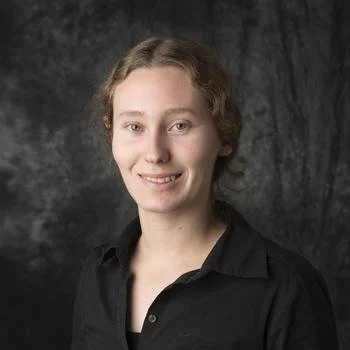
Dr. Christy Tanner
Associate Professor of Practice, Crop and Soil Science, Oregon State University.
Interests include field crop production in the South Willamette Valley, production of grass, legume and other specialty seed crops, cereals, mint and meadowfoam, using aerial imagery captured with unmanned aerial systems (drones) to measure vole damage in grass seed fields, pesticide education and integrated pest and weed management, nutrient management, soil health and reduced tillage practices
-
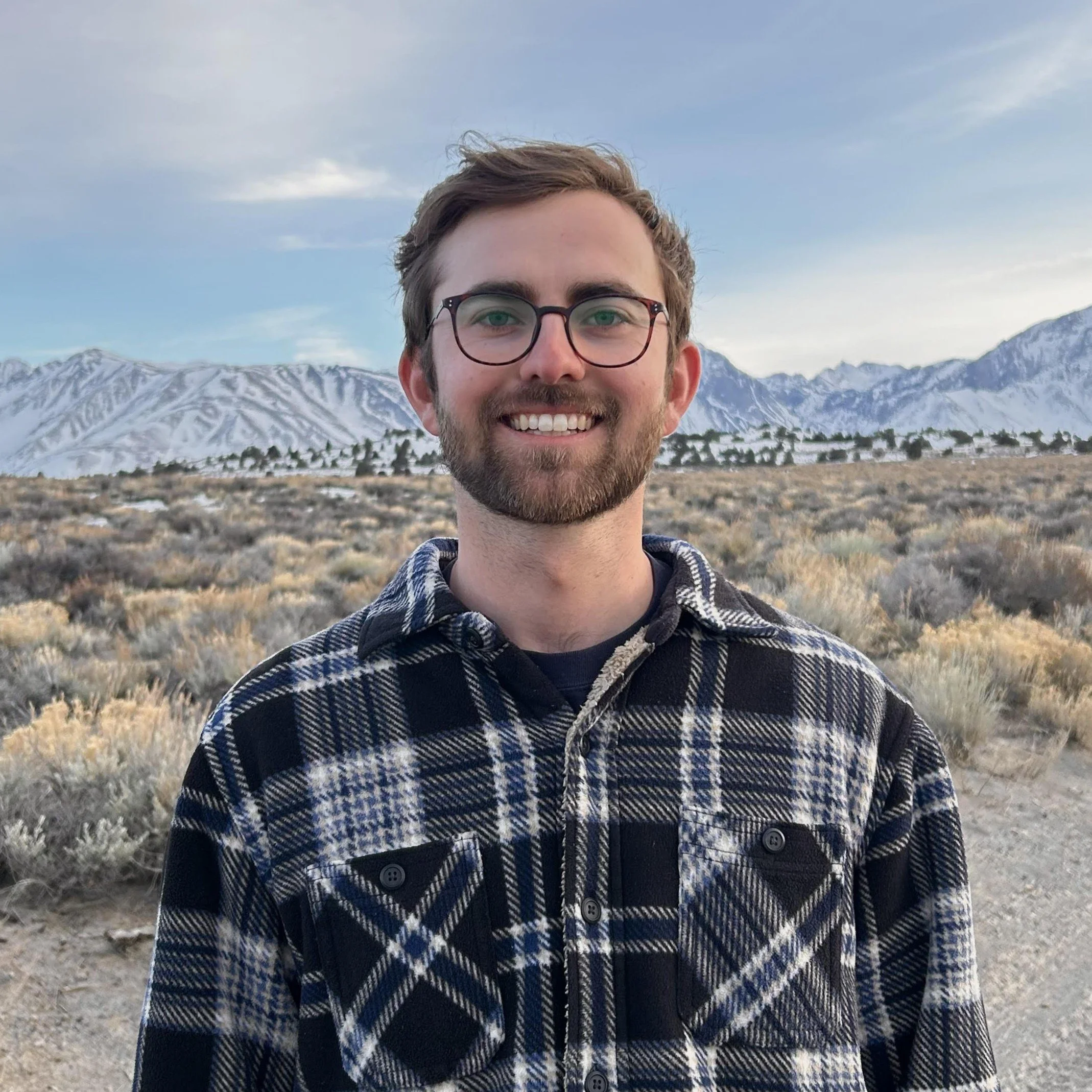
Austin Nash
PhD student, Department of Fisheries, Wildlife, and Conservation Sciences, Oregon State University.
I am a PhD student in the Twining Applied Quantitative Ecology Lab at Oregon State University. I am broadly interested in the intersection between quantitative ecology and wildlife management and have worked with a variety of local, state, federal, and academic entities on wildlife management challenges. For my PhD, I am focused on evaluating the relative strength of interspecific interactions (predation, disease) versus intraspecific interactions (competition between gray-tailed voles) on the survival, reproduction, and movement of gray-tailed voles to inform small mammal management strategies in agroecosystems. Before coming to Oregon State University, I was a Presidential Management Fellow at the US Geological Survey working on applied wildlife research in the sagebrush biome of the American West.
-
Other Members
Grower, producers, researchers, state and federal agency personnel, and members of non-governmental organizations across the Willamette Valley!
Why This Work Matters
Vole outbreaks can have massive impacts on economies, communities, and ecosystems.
Together, we can understand the cycles of gray-tailed vole populations in the Willamette Valley and develop science-driven, grower-led strategies for management. Our goal is unite producers, researchers, agencies, and organizations to expand the toolkit of vole control methods.
